
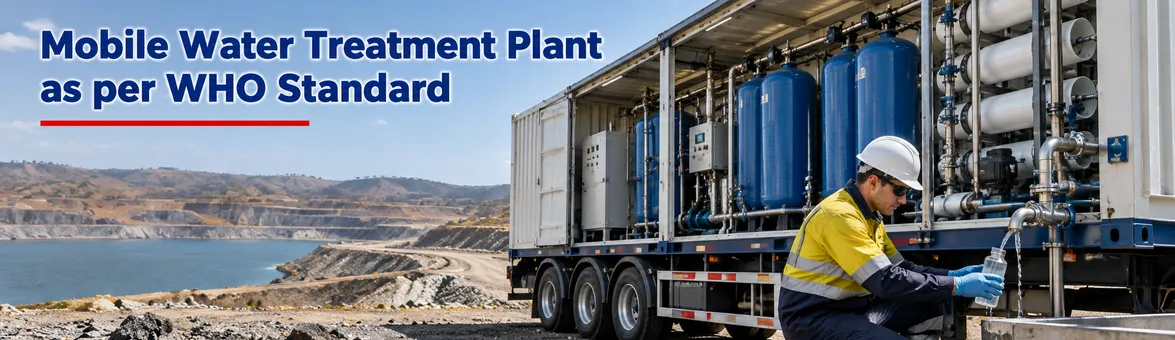
1. Protecting Public Health (The Primary Mandate)
The most critical function of a WTP is to eliminate waterborne disease and chemical toxicity.
Pathogen Elimination: WHO guidelines strictly prioritize the removal of pathogens (bacteria, viruses, protozoa) through filtration and chemical disinfection, preventing outbreaks of diseases like cholera, typhoid, and dysentery.
Chemical Hazard Mitigation: The GDWQ sets stringent limits for naturally occurring contaminants like arsenic, fluoride, and nitrate, ensuring that chronic exposure does not lead to long-term health issues such as cancer or skeletal fluorosis.
Preventing Acute Outbreaks: A WTP compliant with WHO standards ensures that the water supply does not become a vector for infectious diseases, safeguarding both the workforce and local communities from immediate health threats.
2. Regulatory Compliance and Global Trade
WHO standards form the basis of national drinking water regulations worldwide and are essential for operational acceptance.
National Standard Setting: Most countries adopt WHO guidelines as the foundation for their own legally enforceable drinking water quality standards, making compliance a legal requirement for the mine.
International Auditing and Trust: Adherence to WHO standards provides auditable proof of responsible water management, a critical component of ESG reporting that secures and maintains the project’s Social License to Operate (SLO).
Emergency Standards: WHO also provides guidance for emergency situations, ensuring that the mine can provide safe water during supply chain disruptions or natural disasters.
3. Water Safety Planning (WSP) Methodology
WHO mandates a proactive, risk-based approach to water safety rather than relying solely on end-product testing.
Risk Assessment: The WSP requires comprehensive hazard identification and risk assessment from catchment to consumer, mapping every potential contamination point in the water supply chain.
Preventative Management: It emphasizes implementing multiple barriers (e.g., source water protection, treatment, and distribution system integrity) rather than relying on a single treatment step.
Continuous Improvement: The WSP framework requires ongoing monitoring, corrective action, and validation to ensure the system adapts to changing conditions and maintains the highest level of protection.
4. Operational Excellence and Sustainability
WHO-compliant treatment ensures efficient, reliable, and sustainable water management.
Technology Selection: Adhering to WHO standards guides the selection of appropriate treatment technologies, ensuring that the WTP is fit for purpose and capable of meeting required quality parameters.
Training and Capacity Building: It necessitates a skilled workforce for proper operation and maintenance, contributing to local employment and technical capacity development.
Sustainable Development Goals: By providing safe water, the mine contributes directly to SDG 6 (Clean Water and Sanitation) and SDG 3 (Good Health and Well-being), reinforcing its commitment to broader sustainable development.